
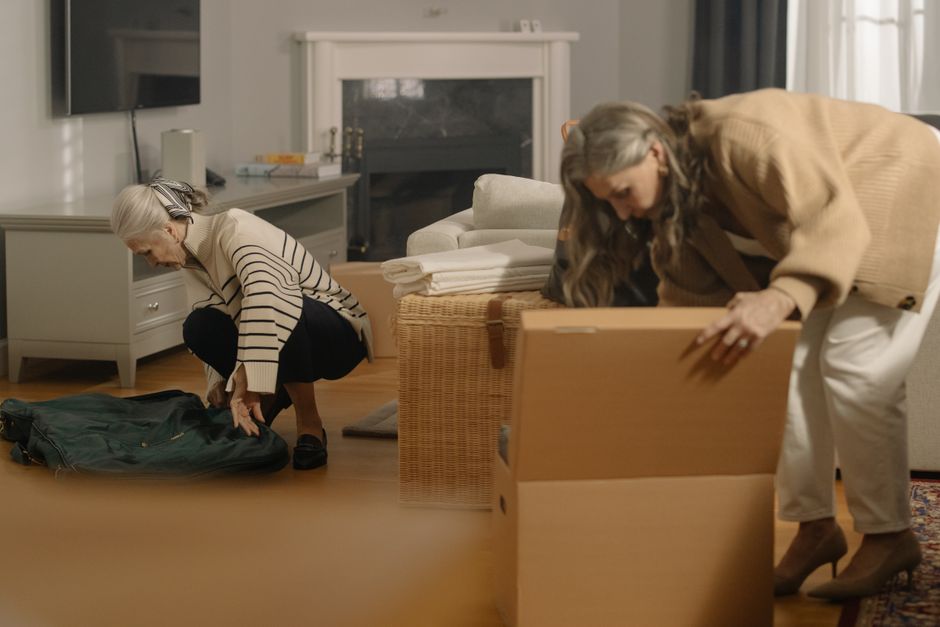
Moving to assisted living can solve practical problems, but the transition may still bring uncertainty, sadness, and frustration. Residents and family members often need time to adjust to a new routine, different surroundings, shared decision-making, and changes in independence.
Why can the move feel emotionally difficult?
The move may feel like a loss even when assisted living is the safest and most practical choice. A resident may be leaving a longtime home, familiar neighbors, personal belongings, and routines built over many years.
Common emotional responses include:
- Grief over leaving a home
- Anxiety about unfamiliar people or surroundings
- Anger about needing help
- Embarrassment about changes in health or mobility
- Loneliness during the first few weeks
- Relief mixed with guilt among family members
These feelings do not necessarily mean the move was a mistake. Adjustment often happens gradually rather than immediately. A person may feel comfortable with the setting but still miss a spouse, neighborhood, garden, pets, or familiar household responsibilities.
Family members can help by listening without immediately correcting or persuading. Statements such as “This is a big change” or “It makes sense that you miss home” may be more helpful than repeatedly pointing out why the move was necessary.
How does assisted living change a person’s independence?
Assisted living is designed to provide support while preserving as much personal choice as possible, but independence may look different than it did at home. Residents may need assistance with bathing, dressing, medications, meals, transportation, or mobility.
The adjustment is easier when choices remain part of the daily routine. Depending on the resident’s abilities and care plan, meaningful choices may include:
- What time to wake up
- Which clothing to wear
- Whether to attend an activity
- Where to spend quiet time
- Which foods to select
- When to call family
- How to arrange personal belongings
A common misconception is that receiving help means giving up all control. In practice, residents often retain authority over many daily preferences, while staff assist with tasks that have become unsafe or difficult.
It is also common for families to over-help after the move. Taking over every decision can unintentionally reduce confidence. Support should encourage participation whenever the resident can safely take part.
What problems can arise with a new daily routine?
Assisted living often provides regular meal times, medication schedules, activities, transportation arrangements, and wellness checks. These routines can improve safety, but they may feel restrictive to someone accustomed to setting their own schedule.
The first days may involve confusion about dining locations, activity times, room numbers, or how to request assistance. Residents with memory loss may need repeated explanations, visual reminders, or a consistent family routine.
A written schedule placed in an easy-to-see location can help. So can a simple daily rhythm, such as:
- Morning family call
- Breakfast at a familiar time
- A short walk or activity
- Rest after lunch
- Evening check-in
Seasonal conditions in Blue Bell can also affect routines. Cold weather, snow, ice, heat, and thunderstorms may limit outdoor activity or delay transportation. Having indoor alternatives, appropriate clothing, and flexibility during weather changes can reduce frustration.
Why can it be hard to make friends?
Social connection does not always happen automatically. A resident may be shy, hard of hearing, experiencing memory changes, or uncertain about joining a group. Existing residents may already have established friendships, which can make a newcomer feel like an outsider.
Participation usually improves when activities match personal interests rather than simply filling time. A former gardener may respond to plant care, while someone who enjoys history may prefer discussion groups or reading activities.
Family members can encourage social contact without making it a test. Attending one short activity may be more manageable than expecting a resident to participate in a full day of events. Familiar objects, photographs, hobbies, or conversation topics can also provide easy openings with neighbors.
If a resident remains isolated, persistently sad, unusually irritable, or reluctant to leave the room, the change should be discussed with appropriate care staff. Depression, pain, hearing loss, medication effects, or cognitive changes can sometimes appear as social withdrawal.
What family conflicts are common after the move?
Family disagreements often become more visible after assisted living begins. Relatives may have different opinions about care needs, spending, room arrangements, visits, or how much independence is safe.
One family member may believe the resident needs more supervision, while another may feel the resident is being treated as incapable. These disagreements can be especially difficult when relatives live in different places or have unequal caregiving responsibilities.
A practical approach is to separate preferences from safety concerns. Questions about falls, medication management, wandering, nutrition, or changing medical needs require clear attention. Preferences about furniture, clothing, hobbies, or visit schedules may allow more flexibility.
Keeping updates organized can help families avoid relying on incomplete information. A shared record of questions, appointments, changes in behavior, and care-plan discussions may reduce repeated conversations and misunderstandings.
What happens when personal belongings do not fit?
Downsizing is one of the most challenging parts of the move. A new apartment or room may not hold the furniture and possessions collected over decades. Deciding what to keep can feel like deciding which memories matter.
Sorting should be paced whenever possible. A useful process is to create separate categories:
- Items needed every day
- Sentimental belongings for the room
- Possessions to store temporarily
- Items to give to family
- Items no longer safe, useful, or wanted
Comfortable seating, familiar artwork, photographs, a favorite blanket, and a visible clock can make a new room feel more recognizable. Safety should guide placement. Walkways need to remain clear, and loose rugs, crowded furniture, and difficult-to-reach items may create fall risks.
A resident should be included in decisions to the greatest extent possible. Even when family members handle the physical work, the resident’s preferences deserve attention.
How can medication and health changes create stress?
Medication management may change significantly after the move. Staff may administer medications, document doses, communicate with prescribers, and monitor side effects. This can improve consistency, but residents may feel they have lost control over a familiar responsibility.
Families should understand how medication changes are communicated, who updates the care plan, and what happens when a resident refuses a dose or develops new symptoms. A current medication list, including prescriptions, over-the-counter products, vitamins, and supplements, helps prevent confusion.
Health needs can also change after relocation because of stress, altered sleep, different activity levels, or a new care routine. New confusion, repeated falls, sudden weakness, poor appetite, or major behavior changes should not automatically be dismissed as normal adjustment.
How long does adjustment usually take?
There is no single timeline. Some residents settle within days, while others need several weeks or longer. Adjustment may also come in stages: initial relief, homesickness, increased participation, and occasional renewed sadness.
Helpful strategies include:
- Keeping visits predictable rather than unexpectedly frequent
- Bringing familiar foods or photographs when permitted
- Encouraging safe personal routines
- Avoiding promises that the resident can immediately return home
- Asking specific questions instead of “How was your day?”
- Noticing small signs of progress, such as attending a meal or greeting a neighbor
The goal is not to eliminate every difficult feeling. The goal is to help the resident build a life that feels familiar, respected, and manageable in the new setting.
